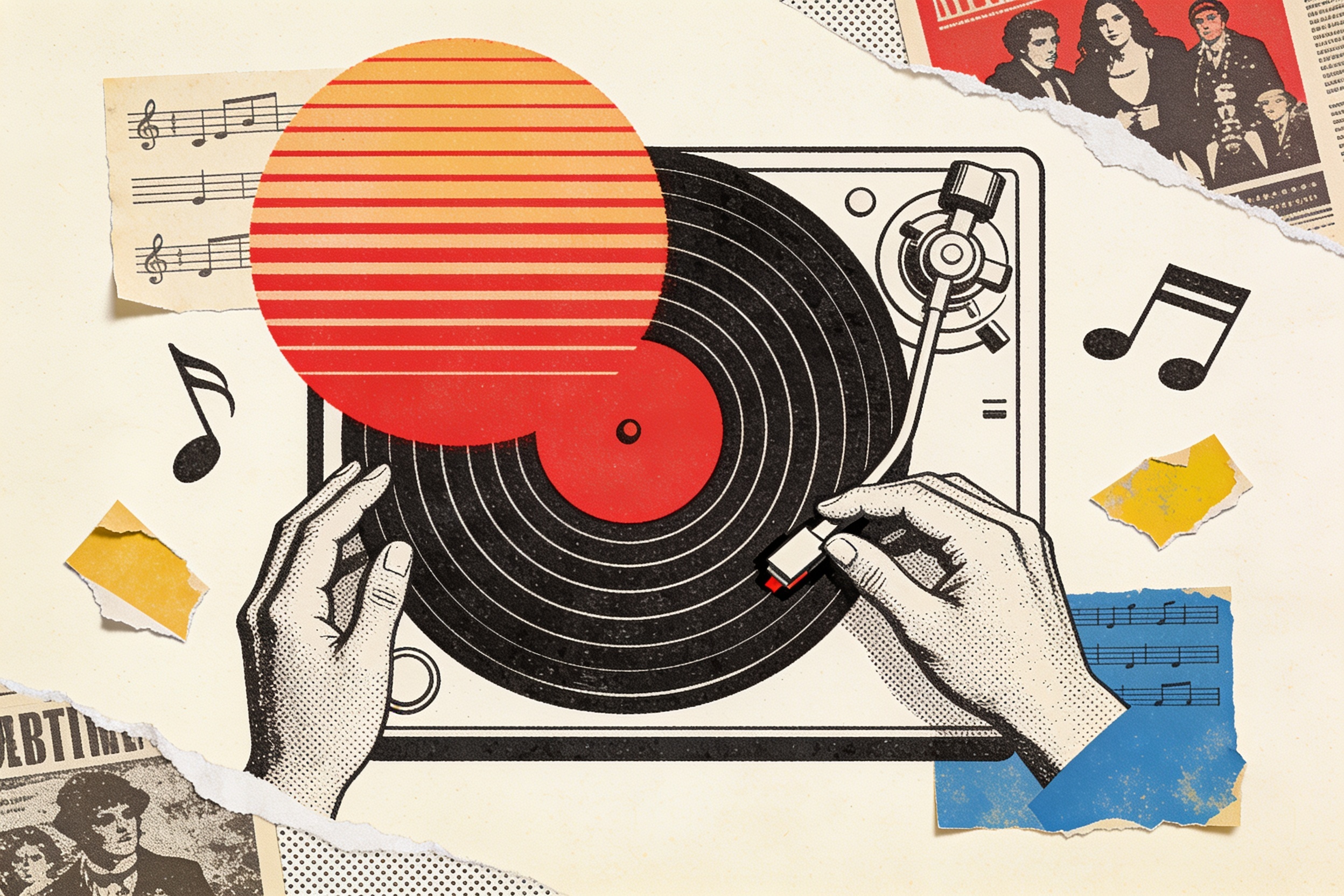
The pressing plants are booked through next spring. Not by nostalgia acts or reissue labels — by twenty-two-year-olds who discovered their favorite artist on a streaming service and want to own something the algorithm can’t reshuffle.
Vinyl’s first act was ubiquity; its second was resurrection as boutique object. The third act is odder: vinyl as the counterweight to streaming, purchased precisely because it doesn’t do anything except play forty minutes of music in the order the artist chose.
The sequencing revival
Talk to producers and a pattern emerges: the album is being written for the format again. Side breaks are back as structural devices. Track lists are shorter. Several major releases this year shipped with sequencing that differs from their streaming versions — the vinyl edit, artists say plainly, is the intended one.
Streaming taught a generation to skip. The record taught them why not to.
The economics reinforce the art. A record sold is worth roughly a thousand streams, and it can’t be pulled from a catalog in a licensing dispute. For mid-tier artists, physical sales have become the difference between touring at a loss and a sustainable career — which is why the merch table now looks like a record shop.
A truce, not a victory
Nobody involved believes vinyl threatens streaming, any more than live theater threatens film. What has settled into place is a division of labor: streaming for discovery, vinyl for devotion. The format war produced no winner — just, at last, a listener who uses both on purpose.
The needle drops, the room goes quiet, and the algorithm waits outside. That, it turns out, was the product all along.