For two years, the story about AI and work has been told as a subtraction problem: count the tasks a model can do, subtract them from a job description, and publish the résumé of the doomed. The real change, visible now in payroll data and quietly restructured org charts, is stranger. The jobs are mostly still there. The hierarchy underneath them is not.
At a mid-sized insurance firm in Columbus, the most consequential employee in the claims department is a 26-year-old former customer service rep whose title didn’t exist eighteen months ago. She manages no people. She manages a fleet of forty software agents — and the four senior adjusters who once outranked her now depend on the queue she runs.
The new middle
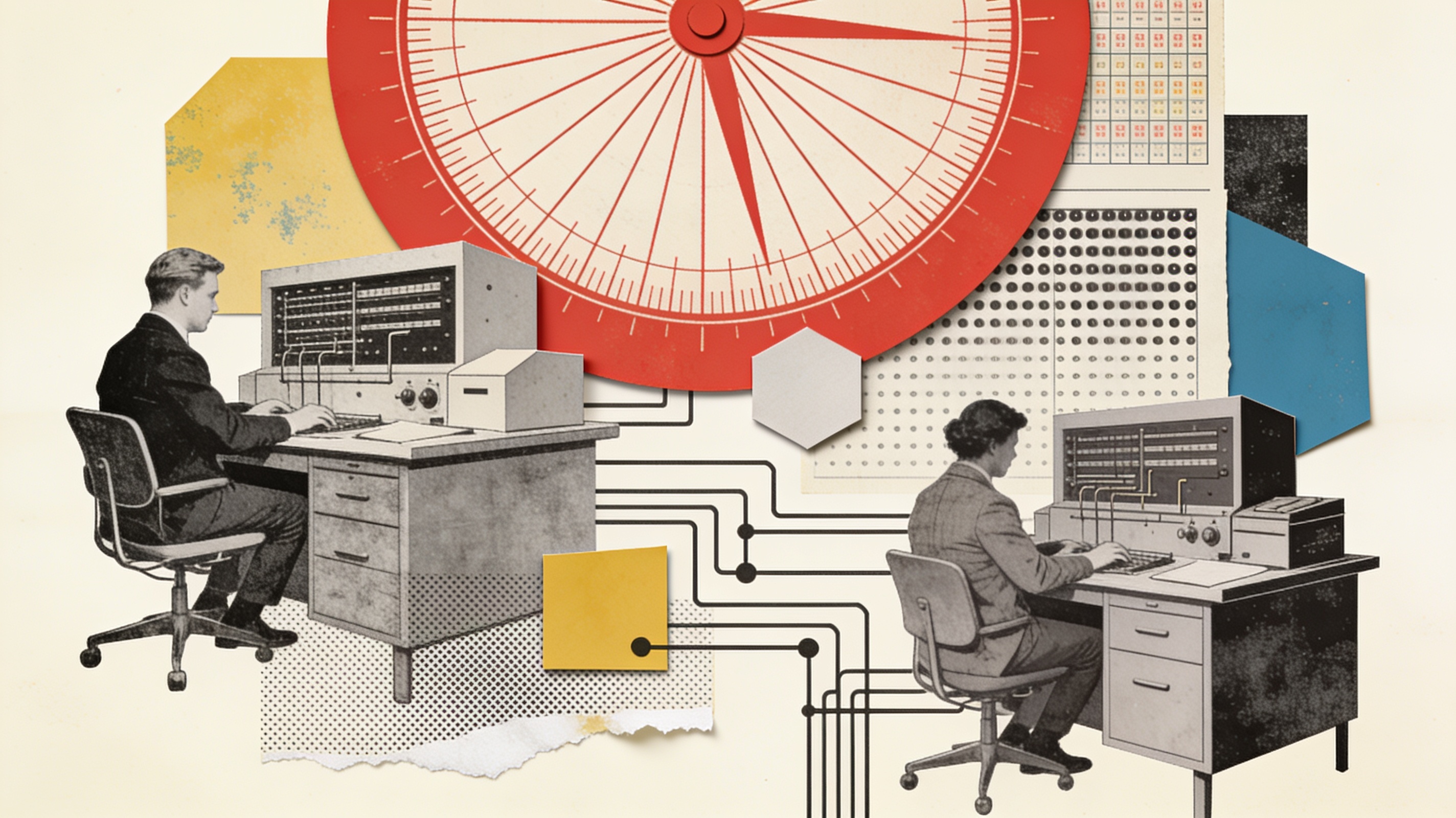
Call it the operator class. Every company that has deployed agentic AI at scale has accidentally created one: a thin layer of people who are neither executives nor individual contributors, but conductors. They set goals, review output, catch failures, and — critically — hold the institutional knowledge of when not to trust the system.
The org chart still shows a pyramid. The work now flows through an hourglass.
Economists at three universities who reviewed anonymized workflow data for this story describe the same pattern: decision volume is migrating away from middle management in both directions at once, upward to fewer executives and downward to operators. The middle isn’t being fired. It’s being routed around.
What the data shows
Job postings tell the quiet part plainly. Listings mentioning agent orchestration, workflow supervision, or exception handling have grown ninefold since 2024, while traditional coordinator and analyst roles have flattened. Compensation has followed: operators at large firms now out-earn the managers they nominally report to, a fact several HR departments asked us not to emphasize.
None of this resembles the clean automation story that dominated the last hype cycle. It resembles what happened when electricity reached the factory floor: the machines changed little at first, and then the buildings were redesigned around them.
The uncomfortable question
The transition has a cost that shows up in exit interviews rather than earnings calls. Workers describe a widening gap between those who direct the machines and those directed by their output. The office is being rewired — quietly, without layoff headlines — and the people who read the wiring diagram first are collecting the surplus.
The companies that thrive in the next five years will not be the ones with the best models. Everyone will have the best models. They will be the ones that figured out, earliest and most honestly, what their people are actually for.