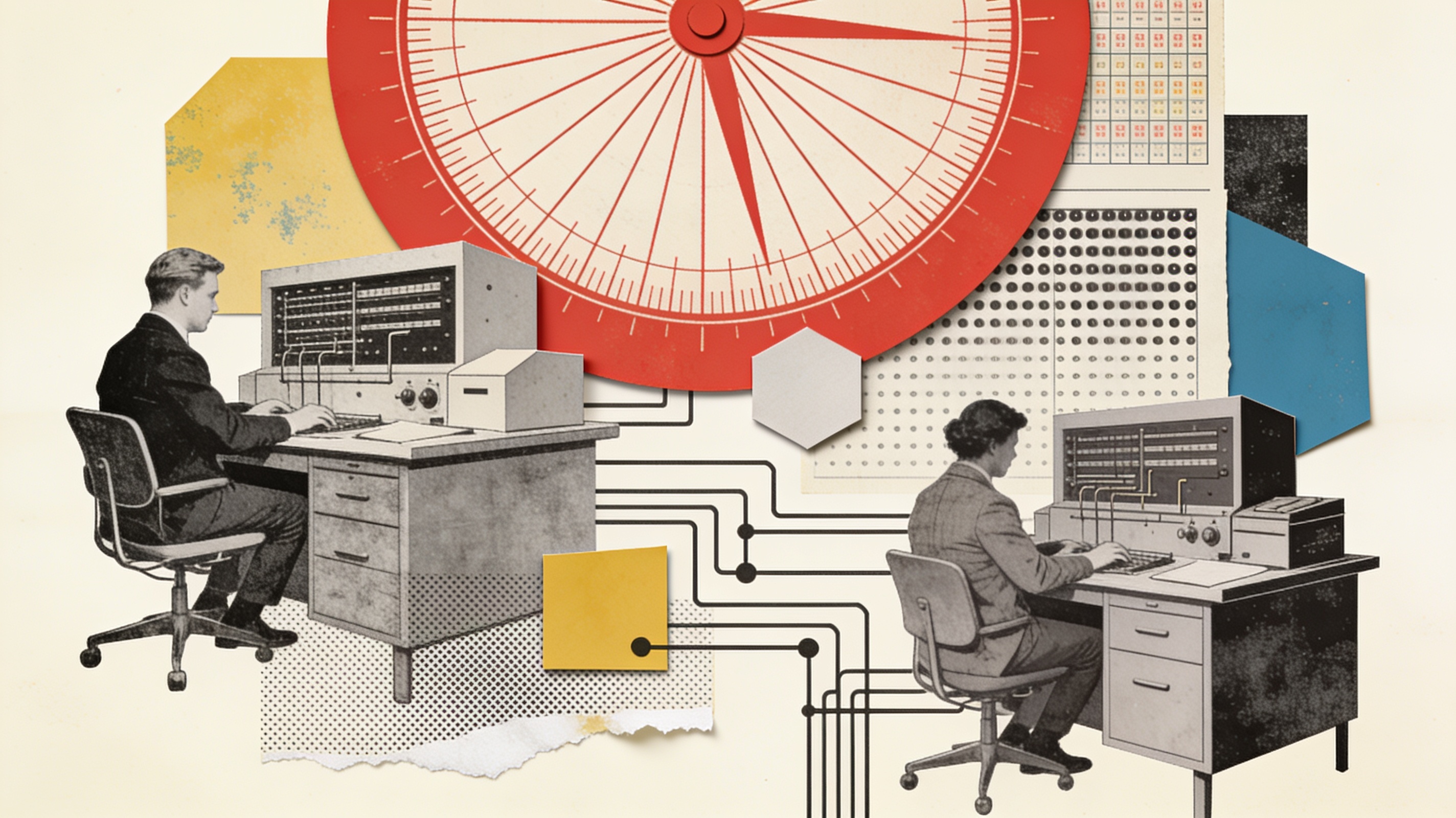
The masthead used to be the moat. Distribution, printing presses, ad sales — the apparatus was the barrier, and writers rented access to it with their bylines. The newsletter inverted the arrangement so quietly that many newsrooms are still negotiating with a world that no longer exists.
A single writer with a hundred thousand engaged subscribers now operates, economically, as a mid-sized magazine: seven-figure revenue, no rent, a churn dashboard instead of a circulation department. There are, at last count, several hundred such writers. A decade ago there were none.
The unbundling and the rebundle
Act one was defection — star reporters leaving institutions and taking their audiences with them. Act two, now underway, is stranger: the defectors are rebundling. Solo newsletters are hiring editors, pooling subscriptions, sharing legal counsel. They are, feature by feature, reinventing the newsroom — except owned by the writers, with the cost structure of a group chat.
The newsroom wasn’t wrong. It was just priced for a monopoly that ended.
Meanwhile the institutions have learned to fight back with the one asset that doesn’t defect: the institution itself. Investigations that take eighteen months, libel insurance, editors who kill weak stories — these are subscription features too, and the smartest legacy outlets have started marketing them as exactly that.
What the reader bought
Strip away the platform drama and the reader’s revealed preference is consistent: people pay for a voice they trust applied to a beat they care about. Sometimes that’s a person. Sometimes it’s a hundred-year-old masthead. The format war between them matters less than what both have conceded — that trust is now sold by the writer, one renewal at a time, and no apparatus can rent it out again.
The newsletter didn’t eat the newsroom, in the end. It ate the assumption that journalism’s unit of loyalty was the publication. What gets rebuilt on the other side belongs to whoever the reader actually believes.